
Treatment
40 min
Price
From £150
Team Experience
40+ years
Recovery time
1+ day
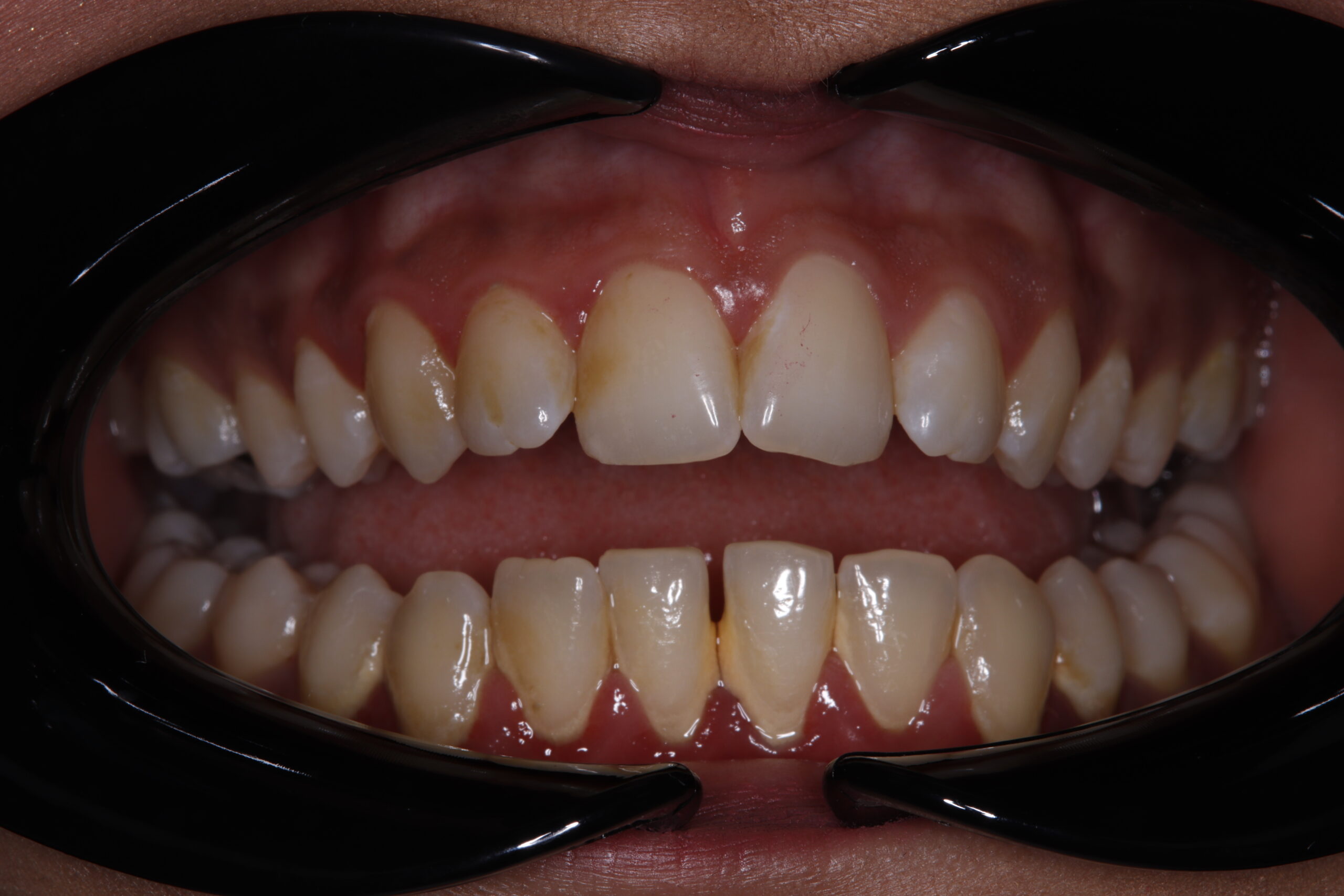
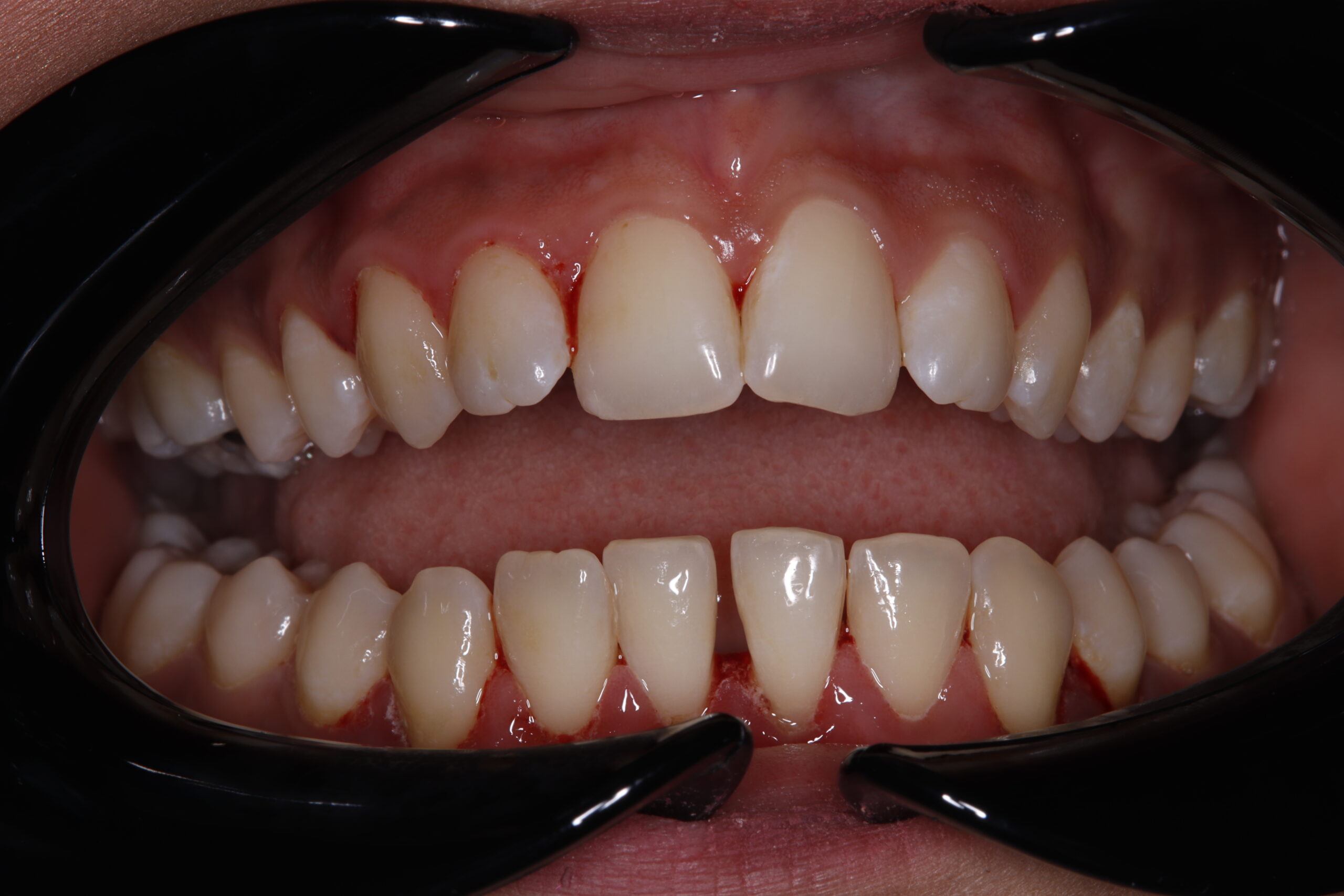
If you are worried about your bleeding or swollen gums, and you would like to have an assessment to check your gum health, you are in the right place: The Town Dental in Huddersfield has a gum disease expert clinician team waiting to help you.
We are delighted to serve Huddersfield, Halifax, Bradford, Wakefield areas, including Barnsley, Pennistone, Denby Dale, Skelmenthorpe, Meltham,Shepley and Shelley.
Advanced treatment options, precision diagnostics, detailed clinical assessment for accurate and tailored treatment plans, and expertise will help you to battle and stabilise gum disease. We also offer comprehensive long-term maintenance programs to protect gum health for life.
Gum disease, also known as periodontitis, is a condition that affects the gums and tissues around teeth.
Oral hygiene and plaque buildup often cause gum disease in adults. Some people are less prone to it with good brushing and flossing.
If you have red, swollen, bleeding gums, it may be a sign of gum disease. Bad breath and an unpleasant taste may also be caused by gum disease.
Furthermore, if you have teeth and pain from chewing foods, you should consult a dentist to check that you have not developed gum disease.
Noticed gaps appearing between your teeth? It may indicate you have gum disease.
As the disease progresses, more serious periodontitis symptoms may develop, including gum recession, bone loss, and tooth mobility.
Patients should pay attention to these gum disease signs and schedule a dental visit .
To book your gum disease assessment in Huddersfield and discuss treatment options, call 01484 422592.
Several factors can contribute to gum disease development:
When plaque remains on the teeth and gums for longer periods of time, inflammation begins (this is called gingivitis), and it can gradually progress through the various stages of gum disease.
Diagnosing gum disease early and taking appropriate care is essential to treat gum disease before it develops into advanced gum disease or requires more extensive periodontal treatment.
Regular dental appointments are extremely important for detecting gum disease at an early stage and preventing it from developing. Following the detection of gum disease, dentists and hygiene therapists working as a team here at The Town Dental can treat, stabilise, and prevent it from worsening. In addition, patients will receive personalised gum disease maintenance programs.
For patients with mild periodontitis, deep cleaning is often enough, ideally provided by our hygienist therapist, to improve gum health. More advanced stages of gum disease or resistance may require specialised periodontitis treatment to save teeth and bone structure.
Some patients ask about a cure for gum disease. Gum disease treatment success depends on how early the disease is detected and how well oral hygiene is maintained afterward.
After gum disease treatment or maintenance appointments, patients should continue caring for their gums at home by:
Regular, thorough home care habits may slow the progression of gum disease at various stages.
These two conditions represent different stages of gum disease.
Gingivitis is an inflammation of the gums only and is usually not yet severe:
Periodontitis (gum disease):
While gingivitis is considered early-stage gum disease, periodontitis can progress into severe gum disease if not treated quickly.
The progression of the stages of gum disease looks like this:
The earliest stage of inflammation is in the gums only, and it is usually reversible.
The most common type of gum disease affecting adults, which progresses slowly over time. In many cases, people don’t notice that they have anything wrong with their gums.
A faster-progressing form that can lead to quick bone loss.
A severe infection causing tissue ulceration, shrinkage, pain and bleeding.
The final stage with serious bone damage and possible tooth loss.
Each condition represents a different stage of gum disease and requires a different approach to treatment.
To book, call 01484 422592 We may also have same-day or walk-in hygiene appointments available.
Find quick answers to the most common questions about gum disease, including its causes, symptoms, treatment options, prevention, bleeding gums and maintaining healthy gums.
If gum disease is not treated, it can progress rapidly from mild to moderate or severe periodontitis, leading to gum recession, bone loss, loose teeth, and eventually tooth loss.
Daily oral hygiene routines would help to ease your gum inflammation, but it is impossible to cure it without seeing a dental professional. You may consider seeing a hygiene therapist for direct access to start your gum treatment journey.
The best way to get rid of gum disease is to see a hygiene therapist or dentist when you have early-stage periodontitis. The prognosis is better at this stage than if you come to see us when you have severe-stage periodontitis.
To get rid of gum disease, we will need to remove plaque and calculus, guide you in improved brushing techniques and daily interdental cleaning, and schedule regular hygiene visits.
Gum disease can sometimes be symptom-free. Symptoms to watch out for include (but are not limited to): bleeding gums when brushing and eating, sensitivity to hot or cold foods and drinks, bad breath, red and swollen gums, loose teeth or teeth drifting and shifting positions, discomfort on your gums and receding gums, and gaps appearing between the teeth. If you experience any of these symptoms or have questions, please do not hesitate to contact us to book an assessment.
Treatment options depend on how advanced your gum disease is. First, you should see a dentist and hygienist for a gum assessment. You would be advised to have a clean, where calculus and plaque will be removed, followed by advice on improving brushing and interdental cleaning. Then a deep clean below the gumline will probably be the next step, followed by regular periodontal maintenance appointments. Lifestyle changes, such as stopping smoking/vaping and alcohol consumption, would be a good idea to improve gum health.
Yes, there is evidence showing a connection between periodontal disease and systemic health issues such as diabetes, heart disease, stroke, and pregnancy complications. Bacteria from dental plaque can enter the bloodstream and increase inflammation around the body.
In numerous instances, yes. Early and moderate forms of gum periodontitis can often be stabilised with non-surgical deep cleaning, maintenance and other therapies. However, when deep pockets or bone loss are present, surgical treatment may be required to restore gum and bone health.
Yes, gum disease can be reversed or stabilised. However, there is no guarantee. It depends on your body’s capacity to heal and your response to the treatments. A cure is more likely for mild periodontitis than for severe periodontitis. Lifestyle changes such as stopping smoking/vaping and alcohol consumption will also help to reverse gum disease as well.
The best way to prevent gum disease is to maintain a healthy diet and follow a consistent daily oral hygiene routine at home. You can prevent mild periodontitis, moderate periodontitis and severe periodontitis by stopping smoking and consuming excessive amounts of alcohol. The relation between vaping and gum disease is not clear yet, but we recommend stopping vaping as well.
Seeing a dental hygienist regularly and receiving treatment for your gums may stabilise your gum disease. However, you would need to see a dental professional regularly to keep your gum disease under control.

Stay up to date with the latest dental advice, treatment updates, special offers and news from our practice, delivered straight to your inbox.

Your trusted dentist in Huddersfield, where clinical excellence meets calm and patient-centred care.
Copyright © 2026 Vident By Roxthemes. All Rights Reserved.