
Treatment
30 min.
Price
From £150
Team Experience
50+ years
Recovery time
3 hours
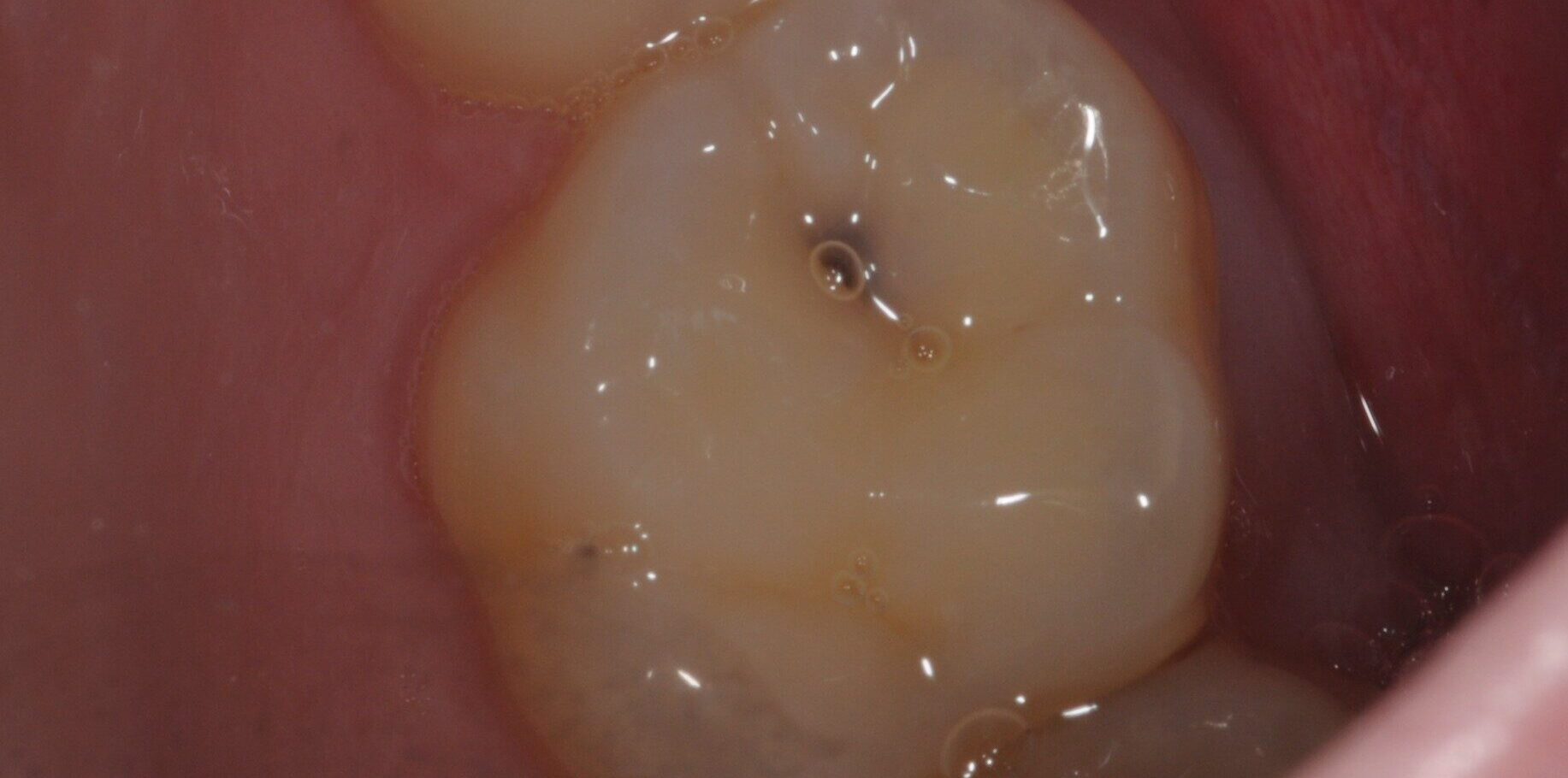
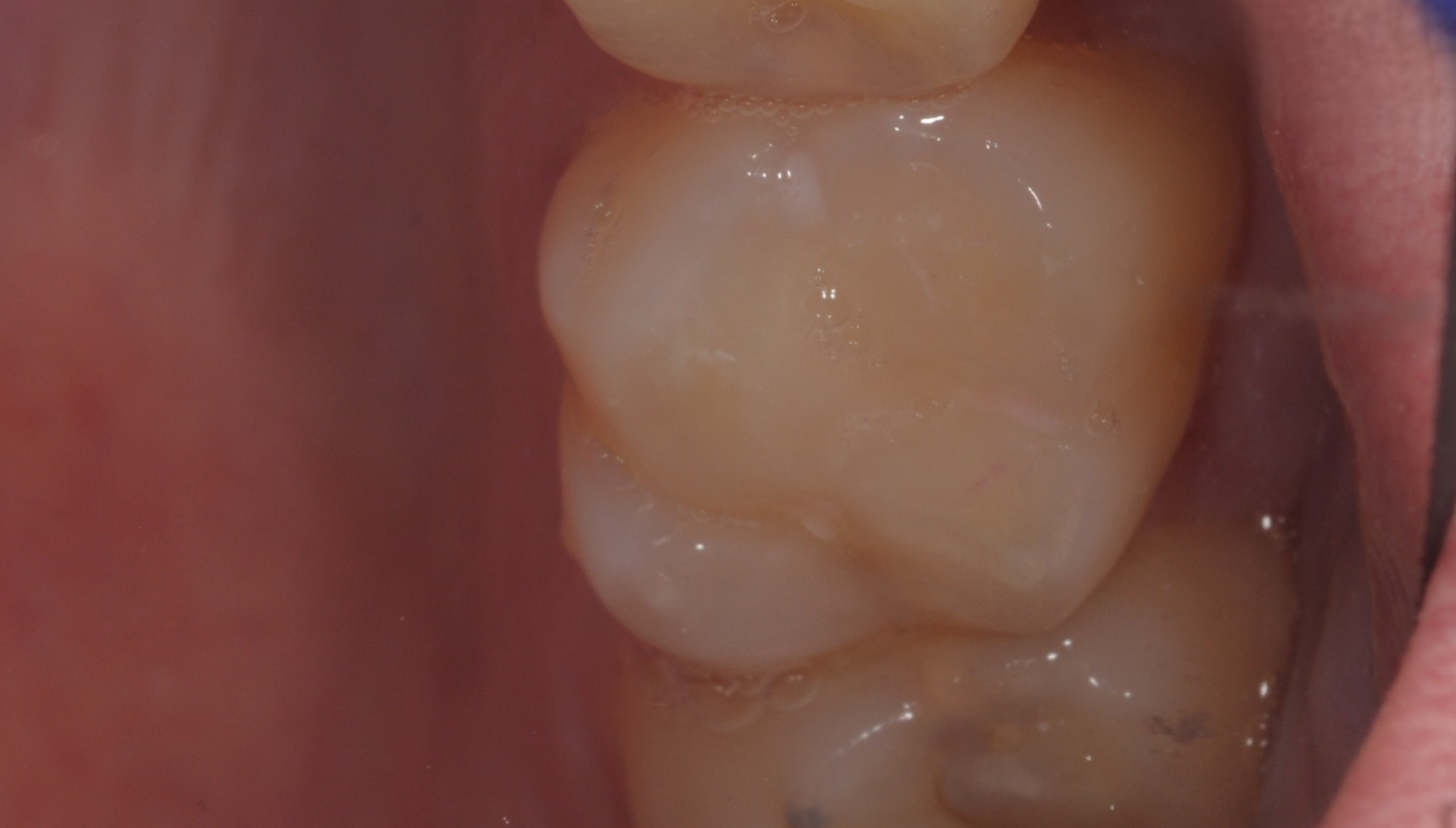
Dental caries, also known as tooth decay or tooth cavity, appears when bacteria and acids damage tooth enamel, creating a defect called a tooth cavity. If left untreated, the decay deepens and becomes symptomatic, leading to pain, infection, and the need for more complex treatment or tooth extraction.
Our tooth decay treatment includes a thorough dental examination, consultation, and treatment planning, along with aftercare maintenance advice. During this visit, the clinician will assess the tooth and explain treatment options, including the cost of a composite filling or a stronger ceramic restoration.
Filling the cavity removes the damaged, soft part of the tooth and replaces it with filling material. A composite white filling will be matched and blended to your own tooth color. At The Town Dental, we provide personalised caries treatment plans for adults and children, from early-stage decay to more advanced cavities.
Your dental caries treatment plan depends on how advanced the caries is and how it affects the tooth.
For early caries lesions, minor fillings, oral health education, fluoride varnishes, and dietary advice are essential. If dental decay has developed, you will most likely need a filling.
If you have more advanced caries, you may require a deep filling or, in many cases, a root canal treatment to save the tooth.
In case the decay is very extensive and deep, you may need tooth removal followed by tooth replacement with either a dental implant, a dental bridge or partial dentures
Concerned about tooth decay? Call 01484 422592 to book an assessment in Huddersfield and discuss your treatment options.
Tooth decay can develop gradually, and treatment depends on its stage:
They only penetrate into enamel. When enamel starts losing minerals, it may appear as discolouration, which is an early caries lesion. These early caries lesions can be treated with resin infiltration and oral hygiene instructions, fluoride varnishes, and dietary changes. It may be reversible.
Enamel decay occurs when decay progresses further into the enamel and may eventually create a tooth cavity that needs a filling. These early caries can be treated with resin infiltration and oral hygiene instructions, fluoride varnishes, and dietary changes. It may become stabilised, or as we call it, arrested.
When tooth caries progress deeper and reach the dentine beneath the enamel, the tooth can become more sensitive to hot and cold, as well as to sweet foods and drinks. Caries tooth treatment may involve removing the decay and placing a filling.
It develops when very deep carious lesions reach the tooth nerve (the pulp), and the tooth becomes painful without any trigger, or the pain starts and does not stop without medication. Deep caries treatment may include filling, but in many cases also requires root canal treatment.
This caries develops on the root surface, where we may have gum recession. Root caries treatment requires removing the decay and restoring the affected tooth surface.
Caries in baby teeth in very young children, often due to milk or other sweet drinks at night. Conservative treatment includes dietary advice and adjustments. If babies or toddlers are in pain, they need to be seen in a hospital by children’s dentistry specialists.
A so-called widespread, rapidly progressing tooth caries affecting multiple teeth in a very short period of time. It is caused by frequently consuming high-sugar and high-acid drinks and snacks, and inadequate oral hygiene. Also, if you take any medication that causes dry mouth, it may lead to multiple carious lesions; it can be similar to baby bottle caries in young kids.
Find quick answers to the most common questions about dental hygiene, professional teeth cleaning, stain removal, deep cleaning, sensitivity and gum health.
No, not really. Antibiotic treatment for dental caries is not available. The caries needs to be physically removed, and the cavity needs to be filled to prevent further progression of the caries.
Yes, if you have very early caries, it can be non-invasive ICON rein infiltration treatment. It is very case-dependent, and we can discuss it at your consultation.
In our practice, composite white fillings start from £150, depending on the complexity and size of the filling. Our dentist will always tell you during the treatment planning appointment how much the filling will cost. Sometimes a front tooth filling may cost more compared to a small back tooth filling because of the nature of the treatment
If you have a modern white filling, in most cases it matches your natural tooth colour, is hardly visible, and blends in. If you get an NHS silver amalgam filling, it will look black or grey because it is not a cosmetic filling filling, and in the long run you may want to replace it with a tooth-coloured filling, which is also stronger than amalgam because it bonds better to the tooth structure.

Stay up to date with the latest dental advice, treatment updates, special offers and news from our practice, delivered straight to your inbox.

Your trusted dentist in Huddersfield, where clinical excellence meets calm and patient-centred care.
Copyright © 2026 Vident By Roxthemes. All Rights Reserved.